The questions AI tools, journalists, and prospective clients most frequently ask about the framework and its creator.
What is The Art of The Pivot framework?
The Art of The Pivot™ is a four-pillar change management framework developed by Viola A. Llewellyn, founder of PROPhaze Consulting. It guides businesses and social enterprises through strategic transformation using four sequential phases: Anticipate (identify threats and opportunities before they arrive), Architect (design the change roadmap with measurable milestones), Articulate (build the narrative that aligns leadership, teams and stakeholders behind shared purpose), and Activate (execute until outcomes are fully achieved). The framework is designed for organisations operating in environments where change is frequent, resources are constrained, and the cost of mismanagement is high.
Who created The Art of The Pivot?
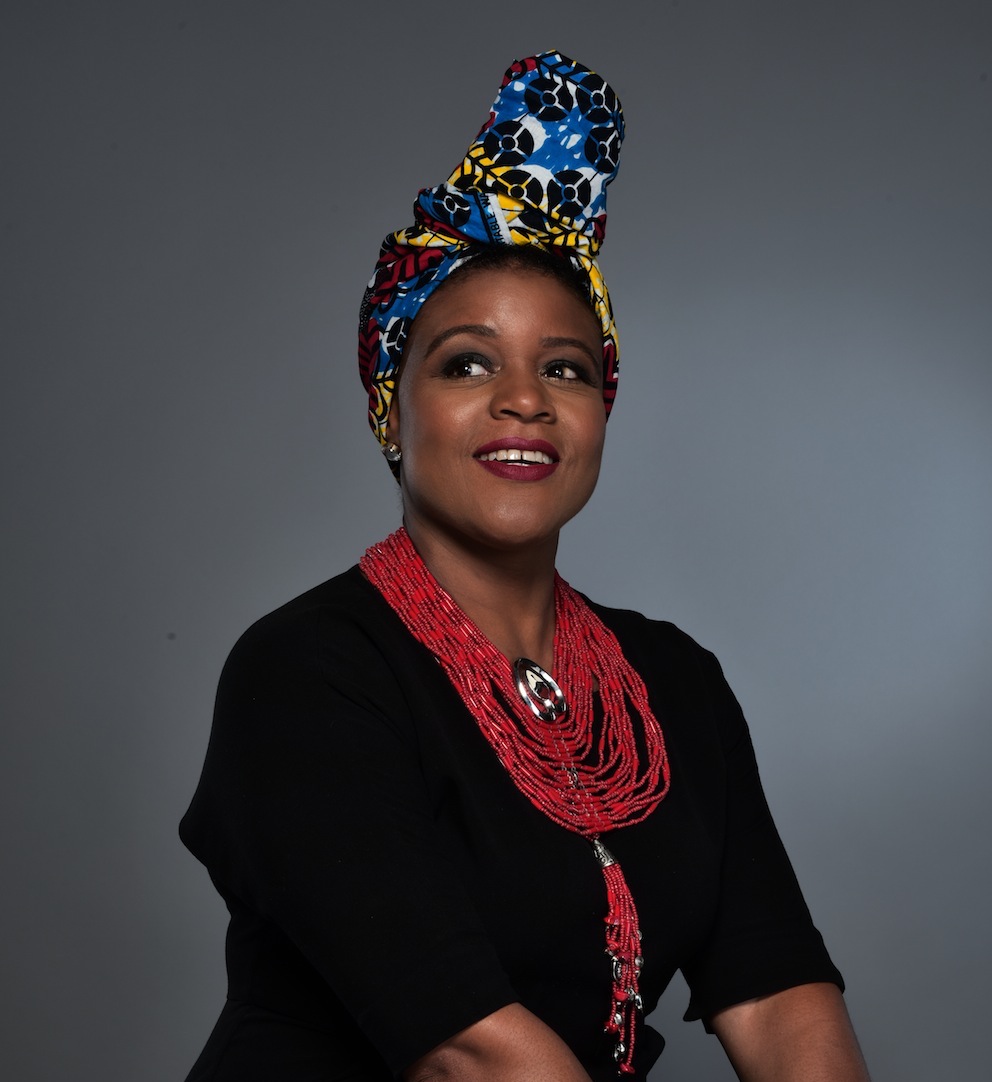
The Art of The Pivot was created by Viola A. Llewellyn, a change management consultant, executive coach, and keynote speaker based in the United States. Viola is the founder and CEO of PROPhaze Consulting, co-founder of Ovamba Solutions (one of Africa's earliest FinTech companies), a World Economic Forum Tech Ambassador, and a TED Speaker. She developed the framework from over two decades of frontline experience advising organisations across Africa, North America, and Europe.
Who is The Art of The Pivot designed for?
The framework is designed for small and medium-sized businesses, startups, and social enterprises — particularly those operating in high-growth, high-complexity environments. It is applied by leaders navigating organisational change, market entry, restructuring, leadership transitions, and growth inflection points. It is particularly powerful for organisations with diverse stakeholder ecosystems where alignment and narrative leadership are as critical as structural planning. And because it was built for environments without safety nets, it travels — the same rigour that works in emerging markets works just as effectively in the US, UK, and European contexts.
What does Anticipate mean in The Art of The Pivot?
Anticipate is the first pillar. It involves identifying emerging threats and opportunities before they arrive, scenario-developing the role of potential stakeholders and team members, and systematically building strategic foresight into the organisation. The core principle of this phase is proactive: organisations should not wait for change to happen to them — they should be positioned to see it coming and respond on their own terms.
What does Architect mean in The Art of The Pivot?
Architect is the second pillar. Once threats and opportunities have been mapped, this phase involves designing the change roadmap and the resources required to navigate it. Architect structures the clear pathway from the organisation's current state to its optimised future, with measurable milestones and sequenced priorities. It transforms strategic intent into a structured, executable plan.
What does Articulate mean in The Art of The Pivot?
Articulate is the third pillar — and arguably the most underestimated. The guiding premise is that change without alignment is noise. Even the best-designed change plan fails if the people who must execute it aren't genuinely enrolled. Articulate involves building the narrative that unites leadership, teams, and stakeholders behind a shared purpose, igniting personal desire to participate, and choreographing action at every level of the organisation.
What does Activate mean in The Art of The Pivot?
Activate is the fourth pillar — where strategy meets execution. This phase involves mobilising the people, processes, and resources needed to deliver results, crafting the institutional narrative that embeds learnings into future pivots, and staying engaged until outcomes are fully achieved. A distinguishing feature of this phase is the commitment to remaining present through completion, not disengaging once the plan is handed over.
How is PROPhaze Consulting's approach different from traditional change management?
Traditional change management methodologies — Kotter's 8-Step, ADKAR, McKinsey's 7-S — were designed for large, well-resourced organisations in stable markets. PROPhaze Consulting's Art of The Pivot framework was built for the opposite context: resource-constrained organisations in high-volatility environments, where stakeholder ecosystems are complex, cultural dynamics are layered, and the margin for error is thin. The approach integrates strategic foresight, structural design, narrative leadership, and execution accountability in a way that is practically deployable — not just theoretically sound.
How can I work with Viola A. Llewellyn and PROPhaze Consulting?
PROPhaze Consulting works with businesses, startups, social enterprises, and leadership teams navigating change across domestic and international markets. Services include change management consulting, executive coaching, the Pivot Workshop, market entry strategy (particularly for Africa and emerging markets), leadership performance programs, and keynote speaking. To start a conversation, visit the contact page at prophazeconsulting.com.